Small bedrooms are becoming more common — especially in urban homes, condos, guest rooms, and downsized living spaces. But limited square footage doesn’t mean you have to compromise on comfort, sleep quality, or style. With smart planning and the right furniture choices, even the most compact bedroom can feel open, functional, and luxurious.
Here’s how to optimize a small bedroom the right way.
- Start with the Right Bed Size Strategy
The bed is the largest piece of furniture in any bedroom — so choosing the right configuration makes all the difference.
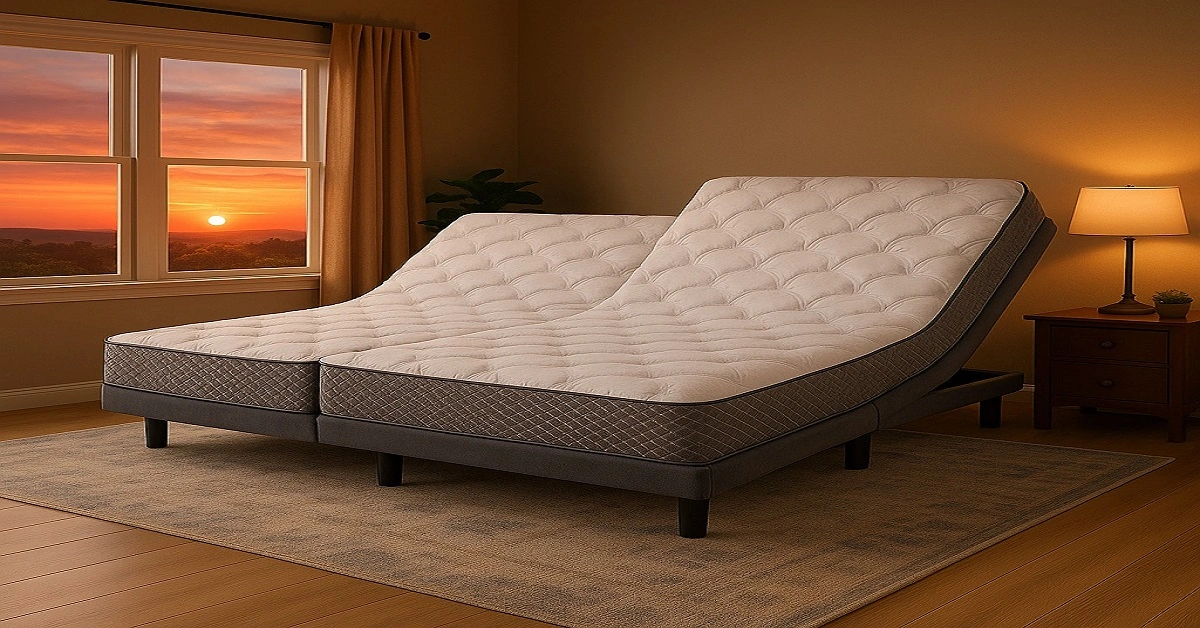
Many couples assume they must choose between a traditional queen (less flexibility) or a split king (too large for small rooms). But there’s a smarter option: split queen adjustable beds.
A split queen consists of two 30” x 80” mattresses and bases that fit within a standard queen footprint (60” x 80”). This allows:
- Independent head and foot adjustment
- Individual comfort preferences
- Dual control without increasing room size
Unlike a split king, it does not require extra width, making it ideal for apartments, smaller primary bedrooms, or guest rooms where space is tight.
For homeowners wanting flexibility without sacrificing square footage, a split queen is one of the most efficient layout solutions available.
- Choose Space-Saving Adjustable Bases
Traditional bed frames often waste space. Modern space-saving adjustable bases are engineered specifically for tighter layouts.
Look for features such as:
- Wall-hugger design (keeps you close to nightstands when elevated)
- Slim profile motors
- Zero-clearance compatibility
- Compact leg structures
Wall-hugger adjustable bases are especially valuable in smaller bedrooms because when you raise the head of the bed, the base slides backward instead of forward. This keeps bedside tables accessible and prevents awkward gaps.
This small design detail can make a huge difference in daily usability.
- Use Vertical Space Intelligently
When floor space is limited, think upward.
Instead of bulky dressers, consider:
- Tall narrow chests
- Floating shelves
- Wall-mounted lighting instead of table lamps
- Over-the-bed shelving (minimal depth)
Mounted lighting frees up valuable nightstand space. Floating nightstands can reduce visual clutter and create a more open appearance.
The goal is to maintain breathing room around the bed so the room doesn’t feel cramped.
- Incorporate Storage Beds
Storage beds are one of the most underutilized tools in small bedroom design.
Options include:
- Hydraulic lift-up storage platforms
- Drawer storage built into the base
- Under-bed bins (if clearance allows)
When paired with a compact adjustable system, a well-designed storage bed eliminates the need for additional dressers or bulky storage units.
If closet space is limited, this can dramatically improve functionality without increasing the room’s footprint.
- Keep Layout Minimal but Functional
Minimalism works exceptionally well in smaller bedrooms — but minimal doesn’t mean uncomfortable.
Focus on:
- Neutral color palettes
- Light wall colors
- Mirrors to reflect light
- One focal decor element instead of multiple small pieces
Avoid oversized headboards that extend beyond the mattress width. Clean-lined upholstered headboards or wall-mounted panels create a polished look without crowding the space.
The less visual clutter, the larger the room feels.
- Multi-Functional Furniture Is Key
In compact spaces, every piece should serve more than one purpose.
Consider:
- Storage ottomans
- Fold-down desks
- Nightstands with drawers
- Beds with USB ports to eliminate extra charging stations
Multi-functional furniture reduces the need for additional items, keeping your layout clean and open.
- Prioritize Comfort — Don’t Downsize Sleep Quality
One mistake homeowners make is downsizing to a smaller mattress purely for space reasons. While a full-size bed may create more walking room, it may compromise comfort for couples.
That’s why split queen adjustable beds are such a powerful small-bedroom solution. You maintain:
- Queen-size sleeping width
- Individual adjustability
- Modern comfort features
- Compact footprint
You’re optimizing space — not reducing comfort.
- Create the Illusion of Space
Design tricks can make a significant visual impact:
- Use low-profile beds to raise perceived ceiling height
- Install floor-length curtains
- Choose legs instead of solid bases to create openness
- Keep bedding streamlined (avoid oversized comforters)
These details help maintain a light, airy feel.
For homeowners exploring compact sleep upgrades, many are now turning to split queen adjustable beds designed specifically for smaller bedrooms because they deliver independent comfort control for couples while keeping the exact footprint of a standard queen. This allows both partners to customize comfort without increasing the room’s overall dimensions.
Final Thoughts
Maximizing a small bedroom is about smart configuration — not sacrifice.
By choosing split queen adjustable beds, investing in space-saving adjustable bases, incorporating storage solutions, and embracing minimal design principles, homeowners can create a bedroom that feels spacious, modern, and deeply comfortable.
In today’s homes where space is often at a premium, thoughtful design choices matter more than ever. The right bed system alone can transform how a room functions — without requiring additional square footage.
Comfort and efficiency can absolutely coexist.
Read More: projectrethink